Home
Home
Why the Air Jordan 5 Still Runs the Streets
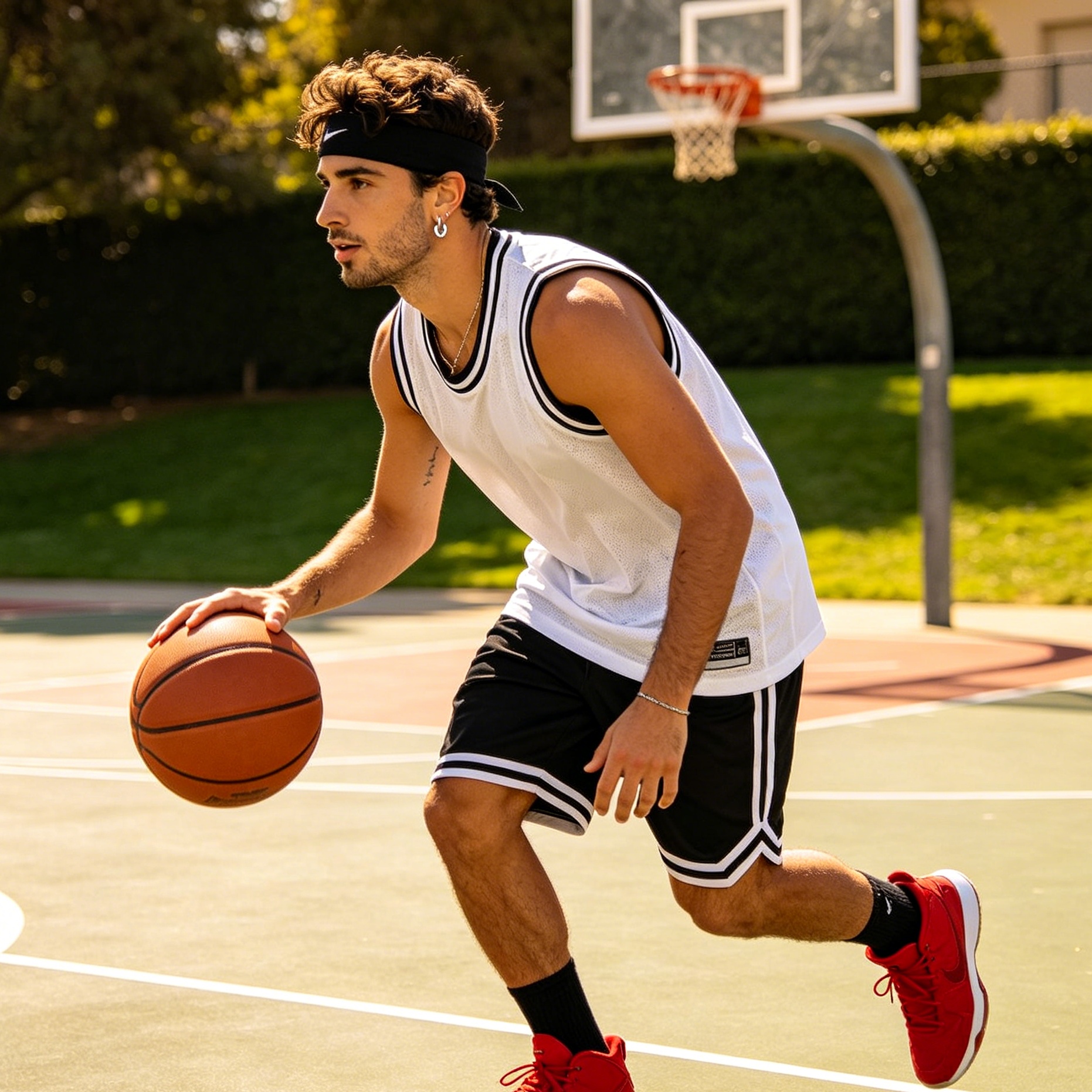
The landscape of footwear changed forever in 1990 when the Air Jordan 5 first hit the hardwood. It wasn't just another basketball shoe; it was a high-performance piece of industrial art that looked like it belonged in a fighter jet hangar rather than a locker room. Decades later, as we look at the current 2026 releases and the enduring legacy of the silhouette, it remains clear that the design brilliance of the Air Jordan 5 is timeless.
The Aggressive Design Language of the P-51 Mustang
When Tinker Hatfield sat down to design the fifth signature sneaker for the league’s most explosive player, he sought a metaphor for Michael’s "biting" style of play. He found that inspiration in the nose art of World War II fighter planes, specifically the P-51 Mustang. This influence is most famously manifested in the "shark teeth" detailing on the midsole. These jagged shapes suggested forward motion and predatory speed, a visual representation of a player who could strike from anywhere on the court.
The Air Jordan 5 was a departure from the relatively understated Air Jordan 4. It was taller, bulkier, and featured a more technical upper. The use of molded foam in the ankle collar provided a plush feel that was unheard of at the time, while the overall silhouette leaned into an aesthetic of raw power. This aggressive stance is why the shoe transitioned so seamlessly from the basketball court to the burgeoning streetwear scenes of the early 90s.
A Series of Technical Firsts
The Air Jordan 5 was a pioneer in integrating lifestyle elements with elite performance technology. It introduced several features that are now considered staples in the sneaker world but were revolutionary in 1990.
The 3M Reflective Tongue
One of the most striking features of the Air Jordan 5 is the oversized, reflective tongue. Hatfield wanted the shoe to "pop" when the flashbulbs of sports photographers went off. The use of 3M Scotchlite material ensured that even in low-light conditions or during a fast break under stadium lights, the sneaker would shine. It added a futuristic, almost metallic quality to the shoe that distinguished it from every other competitor on the market.
Translucent Outsoles and Lace Locks
Before the Air Jordan 5, solid rubber outsoles were the industry standard. The introduction of the translucent "icy" sole added a level of visual depth to the bottom of the shoe. While it eventually became a point of obsession for collectors trying to prevent "yellowing," at the time, it was a bold aesthetic choice that symbolized the clear, high-tech future of the brand.
Additionally, the Air Jordan 5 was the first in the series to include a plastic lace lock (or toggle). This was designed to keep the laces securely fastened during high-intensity movement, ensuring that the lockdown remained consistent throughout a game. Over time, these toggles have become a signature accessory, often kept on the shoes by enthusiasts as a mark of authenticity and original design intent.
The Cultural Impact: From the Court to the Screen
The story of the Air Jordan 5 is inextricably linked to the 1990s pop culture explosion. While the performance on the court was legendary, the shoe's appearance in the sitcom The Fresh Prince of Bel-Air cemented its status as a fashion icon. Will Smith’s character often wore the "Grape" colorway without laces, a style choice that influenced an entire generation of youth. This crossover appeal showed that a basketball shoe could be a status symbol in the world of music, television, and urban fashion.
Exploring the Iconic OG Colorways
To understand the Air Jordan 5, one must look at the four original colorways that started it all. Each one represents a different facet of the shoe’s personality.
Black Metallic
Perhaps the most rugged and versatile of the OGs, the Black Metallic features a black nubuck upper with silver accents and that signature reflective tongue. It is the quintessential "away" shoe, built to look intimidating. The 2025 "Reimagined" version of this colorway, which we saw late last year, utilized updated materials and a shape more closely aligned with the 1990 original, proving that the appetite for this specific look hasn't faded.
Fire Red (Silver Tongue and Black Tongue)
The Fire Red versions brought the classic Chicago colors to the silhouette. The version with the silver 3M tongue is often associated with the high-scoring games of the 1990 season, while the black tongue variant offers a slightly more grounded look. The contrast between the bright red shark teeth and the white leather upper remains one of the most recognizable color blocks in sneaker history.
Grape
The "Grape" colorway was a radical departure. By using Grape Ice and New Emerald, the brand moved away from traditional team colors and into the realm of lifestyle fashion. It didn't match the Chicago Bulls uniform, but it matched the vibrant, neon-soaked aesthetic of the early 90s. The recent 2025 retro of the Grape has reaffirmed its position as a must-have for those who appreciate the intersection of sport and style.
The Evolution of Materials: Nubuck vs. Leather
The Air Jordan 5 has always been a canvas for material experimentation. The original Black Metallic used a durabuck (a synthetic nubuck), which provided a matte finish that absorbed light, making the silver accents stand out more. In contrast, the white-based colorways typically utilized high-quality tumbled or smooth leather.
In the modern era, we have seen the silhouette dressed in everything from premium suede in the "Raging Bull" pack to the deconstructed textiles of the Off-White collaborations. These material shifts change the character of the shoe; leather versions feel more substantial and classic, while the nubuck and suede iterations offer a softer, more luxury-oriented aesthetic. When choosing a pair, the material is often as important as the colorway, as it dictates how the shoe will age and crease over time.
High-Fashion Collaborations and Limited Editions
In recent years, the Air Jordan 5 has been embraced by the high-fashion and boutique retail sectors. These collaborations have pushed the boundaries of what a 36-year-old sneaker design can be.
- Off-White (Virgil Abloh): Abloh’s take on the Air Jordan 5 was a masterclass in deconstruction. By thinning out the collar and adding circular cut-outs (referencing the "holes" in the P-51’s fuselage or the "cheese" aesthetic), he made the bulky silhouette feel lightweight and industrial.
- A Ma Maniére: This collaboration focused on luxury. Using muted tones like "Diffused Blue" and "Photon Dust," and replacing the standard plastic netting with a monogrammed pattern, A Ma Maniére turned the aggressive fighter plane into a sophisticated piece of luxury footwear.
- PSG (Paris Saint-Germain): The ongoing partnership with the French football club has produced several iterations of the Air Jordan 5. These often feature "Paname" branding and unique color palettes that blend Parisian elegance with American athletic heritage.
Looking Ahead: The 2026 Releases
As of April 2026, the Air Jordan 5 continues to see high-profile attention from the brand. The current season has brought back the "Wolf Grey," a colorway that first appeared in 2011 and became an instant classic for its neutral, tonal grey upper and white contrast stitching. The 2026 version stays faithful to that aesthetic, offering a versatile option for those who find the OG colors too bold.
Coming up in the summer of 2026, there are strong indications of a "White Metallic" return. This colorway, which strips away the red accents in favor of a clean white and silver look, is expected to be one of the most sought-after drops of the year. Its simplicity highlights the lines of the shoe without the distraction of loud colors, making it a favorite for minimalist wardrobes.
Sizing, Comfort, and Fit Guide
For those looking to add an Air Jordan 5 to their rotation, understanding the fit is crucial. Historically, the AJ5 is known for being a relatively "true to size" sneaker. However, because of the generous padding in the heel and tongue, the interior can feel quite snug initially.
- Standard Fit: Most people find that their usual size works perfectly. The toe box is generally wider than that of the Air Jordan 1 or 4, making it a good choice for those with slightly wider feet.
- Break-in Period: Due to the thick leather or nubuck used on many models, the AJ5 can feel stiff out of the box. The polyurethane midsole with encapsulated Air units also requires a few days of wear to soften up.
- Stability: The high-top cut and the lace locks provide excellent ankle support. While it may not be the primary choice for professional basketball in 2026 given the lighter, more tech-heavy options available, it remains a very capable and stable shoe for casual play and daily wear.
How to Style the Air Jordan 5
The Air Jordan 5 is a "loud" shoe. Its silhouette is tall and its details—the 3M tongue and the shark teeth—demand attention. Therefore, it usually works best when it is the centerpiece of an outfit.
- Casual Streetwear: Pair them with slim or tapered joggers that allow the tongue to sit prominently. Because the shoe is bulky, overly skinny jeans can sometimes create a "clown shoe" effect, so a balanced taper is usually preferred.
- Nostalgic Vibes: Drawing inspiration from the 90s, the AJ5 looks excellent with oversized hoodies or vintage-inspired windbreakers. This leans into the "Fresh Prince" heritage of the shoe.
- Modern Minimalist: With cleaner colorways like the upcoming "White Metallic" or the "Sail" editions, the AJ5 can be paired with neutral-colored cargos and a simple boxy tee for a more contemporary, understated look.
Maintaining Your Air Jordan 5
Given the diverse materials used on the Air Jordan 5, maintenance requires a specific approach. The translucent outsoles are prone to oxidation, which turns them yellow over time. While some purists enjoy this "vintage" look, others use sole protectors or specialized cleaning gels to maintain the icy clarity.
For nubuck and suede versions, a soft-bristle brush and a suede eraser are essential. Water is the enemy of these materials, so applying a high-quality water and stain repellent before the first wear is highly recommended. Leather versions are much more resilient and can usually be cleaned with a simple damp cloth and mild sneaker cleaner.
The Verdict: A Design That Never Ages
The Air Jordan 5 remains a cornerstone of the sneaker world because it successfully bridged the gap between raw athletic utility and high-fashion aspiration. Tinker Hatfield’s decision to look toward aviation and aggressive military history gave the shoe a soul that few other silhouettes possess. Whether it's the glint of the 3M tongue in a dark room or the unmistakable jagged teeth on the midsole, the Air Jordan 5 is a design that continues to capture the imagination of new generations.
As we move through 2026, the shoe’s presence on the streets of New York, Tokyo, and Paris is as strong as it was on the courts of Chicago in 1990. It is a testament to the idea that true style isn't about following trends—it's about setting a standard that the rest of the world has to follow.
-
Topic: Beginner’s Guide to Air Jordan 5 | GOAT AEhttps://www.goat.com/en-ae/editorial/beginners-guide-to-air-jordan-5
-
Topic: Air Jordan 5 - Sneakers Neuves et Authentiqueshttps://geturbrick.com/en-eu/collections/air-jordan-5
-
Topic: Exploring the Design and Legacy of the Air Jordan 5 | The Retro Insiderhttps://www.theretroinsider.com/blog/air-jordan-5-sneaker-profile#comments-642781fd62f5671caa617dc5