Home
Home
Why the Air Jordan 11 Low Is the Ultimate Daily Sneaker
The Air Jordan 11 Low occupies a rarefied space in the pantheon of athletic footwear. Originally envisioned as a performance beast that could seamlessly transition to formal settings, the low-top iteration has evolved into a cornerstone of modern street style. While the high-top version carries the weight of historic championship runs, the Low offers a level of accessibility and seasonal versatility that keeps it relevant year after year. Understanding the nuances of this silhouette—from its technical carbon fiber shank to the specific break-in period of its patent leather—is essential for anyone looking to integrate this icon into their rotation.
The engineering behind the shine
When the silhouette first emerged, it broke every conventional rule of basketball shoe design. The most striking element, of course, is the patent leather mudguard. This wasn't merely a cosmetic choice. The use of patent leather was functional, designed to provide superior lockdown and support for the forefoot while resisting stretching during high-intensity lateral movements. In the Air Jordan 11 Low, this mudguard remains the defining feature, wrapping around the entire circumference of the shoe and giving it a structural integrity that few other low-tops can match.
Beneath the glossy exterior lies the shoe's true performance engine: the full-length carbon fiber plate. In 2026, carbon fiber is common in performance runners, but its implementation in a lifestyle-adjacent sneaker like the 11 Low remains a testament to the forward-thinking design of the mid-90s. This shank plate provides exceptional torsional rigidity, preventing the foot from twisting and ensuring a smooth transition from heel to toe. Coupled with a full-length Air-sole unit embedded within a Phylon midsole, the sneaker offers a cushioned yet responsive ride that feels substantial without being overly heavy.
A tale of two silhouettes: IE vs. Patent Leather
It is impossible to discuss the Air Jordan 11 Low without acknowledging the dual nature of its lineage. There are essentially two distinct versions of the "Low." The first is the IE (International Edition), which debuted in 1996. The IE version stripped away the patent leather in favor of elephant print overlays and breathable mesh cutouts. It was designed for the summer heat, prioritizing ventilation and weight reduction. For many purists, the IE represents a more "authentic" performance low-top, offering a grittier, more utilitarian aesthetic.
Then there is the "True" Low, which features the signature patent leather and ballistic mesh (or sometimes smooth leather) of the original high-top. This version didn't see a wide retail release until 2001, but it has since become the more popular variant among casual wearers. The choice between an IE and a patent leather Low often comes down to the intended environment. The IE is lighter and arguably more breathable for outdoor summer activities, while the patent leather version provides that unmistakable "high-end" look that works with tailored trousers just as well as it does with athletic shorts.
Sizing and fit: What to expect
One of the most frequent questions regarding the Air Jordan 11 Low is how it fits compared to other models in the lineup. Generally, the Air Jordan 11 Low fits true to size (TTS). If you typically wear a US 10 in most Jordan retros, a US 10 in the 11 Low is usually the correct path. However, there are nuances to consider based on your foot shape and the materials used in specific colorways.
Narrow vs. Wide Feet
For those with narrow feet, the 11 Low is exceptionally accommodating. The lacing system, which uses webbing loops rather than traditional eyelets, allows for a very snug, customized lockdown that prevents internal slippage. You will not likely need to size down, as the internal padding provides enough volume to fill any gaps.
Wide-footed individuals also find favor with this silhouette. Because it was originally designed for high-performance basketball, the toe box is naturally roomier than more narrow lifestyle sneakers. This allows the toes to splay naturally during movement. The midfoot region is also relatively spacious. However, it is important to note that the patent leather mudguard has zero "give." Unlike suede or soft tumbled leather, patent leather will not stretch significantly over time. If the shoe feels painfully tight in the width upon initial try-on, moving up a half-size may be necessary to avoid discomfort at the widest part of the foot.
The Break-in Period
Do not expect the Air Jordan 11 Low to feel like a pillow the moment you pull it out of the box. The combination of a stiff carbon fiber plate and rigid patent leather means these shoes require a dedicated break-in period. Typically, it takes about three weeks of regular wear for the materials to soften and the midsole to mold to the contours of your foot. During the first few days, you might experience some stiffness around the heel and the top of the foot where the lacing pressure is highest. Wearing thicker socks during this initial phase can help mitigate potential friction and accelerate the molding process.
Iconic colorways and their cultural impact
The colorway history of the 11 Low is a mix of translated classics and unique low-top exclusives. Each release carries its own narrative, often tied to specific eras of sneaker culture.
The 'Bred' Legacy
The "Bred" (Black and Red) colorway is arguably the most famous. In 2025, Jordan Brand released a version that was a faithful recreation of the Player Exclusive (PE) seen in the mid-90s. This version features the black ballistic mesh upper, the glossy black patent leather, and the vibrant red translucent outsole. It is a masterclass in aggressive, championship-level design. The contrast of the white midsole against the red outsole creates a visual "pop" that remains unmatched in the sneaker world.
Space Jam
Released in mid-2024, the Air Jordan 11 Low "Space Jam" brought one of the most coveted high-top colorways to the low-cut format. Utilizing the same black-on-black aesthetic with subtle concord purple accents, this release proved that the 11 Low could handle the most legendary colorways without losing its identity. The icy blue translucent outsole on this model is particularly prized, though it requires specific care to maintain its clarity.
Legend Blue and Concord
For those who prefer a cleaner, more understated look, the "Legend Blue" and "Concord" lows are perennial favorites. The Concord Low, with its white mesh and black patent leather, is perhaps the most "formal" of the bunch. It is the colorway most often seen at weddings or graduations, fulfilling the original design brief of a shoe that can replace a dress shoe. The Legend Blue, with its crisp white-on-white palette and light blue accents, offers a cooling, airy aesthetic perfect for spring and summer.
Styling the Air Jordan 11 Low in 2026
Styling this sneaker requires an understanding of its proportions. Because of the bulky nature of the mudguard and the sheen of the patent leather, the 11 Low can dominate an outfit if not balanced correctly.
Casual Athleticism
The most natural pairing is with high-quality athletic wear. Think heavyweight fleece shorts and a clean, oversized tee. When wearing shorts, the 11 Low shines because it doesn't cut off the leg line as much as a high-top, making it a more flattering choice for various heights. Crew socks are the standard pairing here; a clean white or black sock helps bridge the gap between the sneaker and the leg.
Streetwear Sophistication
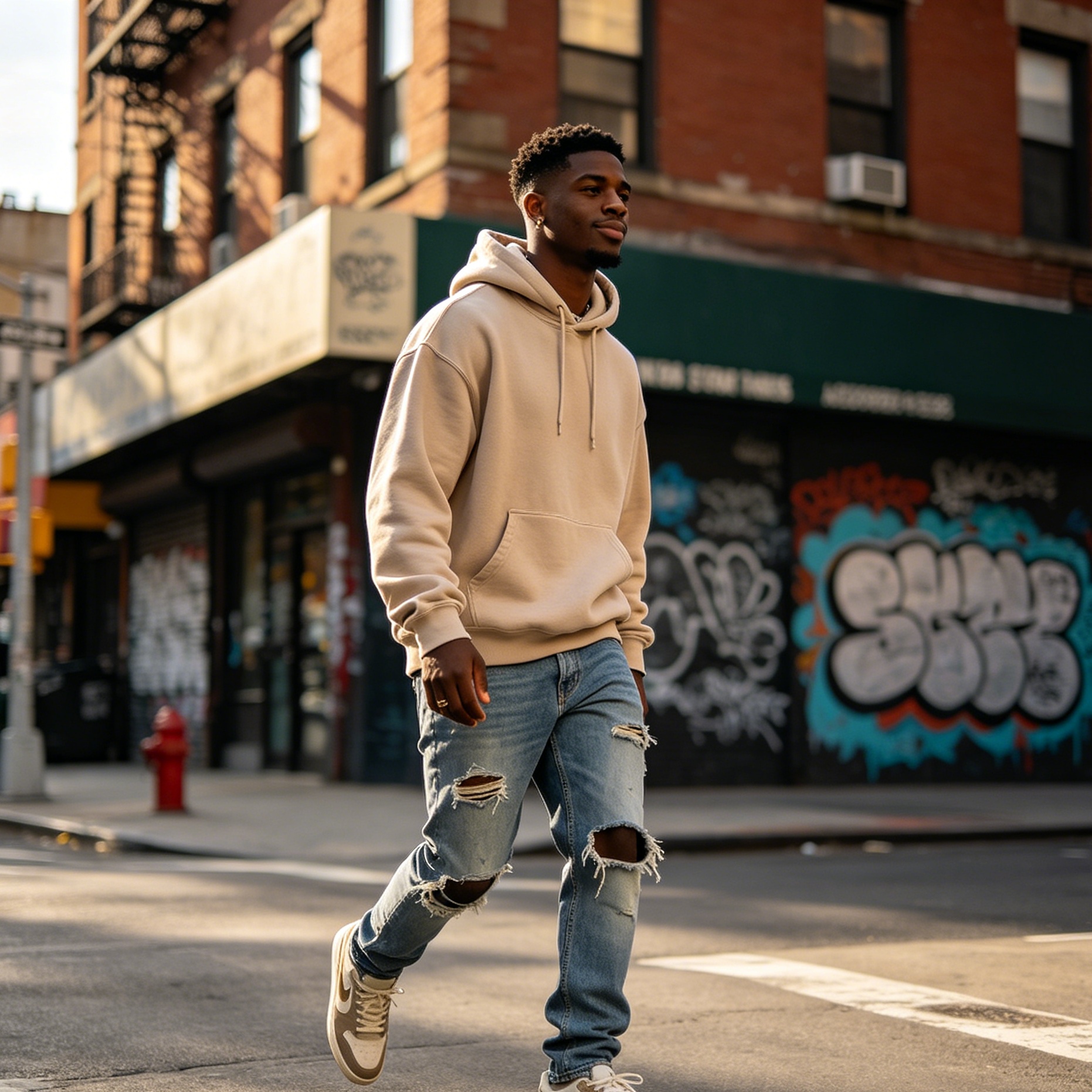
For a more elevated look, the 11 Low pairs surprisingly well with straight-leg denim or relaxed-fit chinos. The key is the "break" of the pants. You want the hem to sit just above the collar of the shoe or to rest lightly on the tongue. Avoid overly skinny jeans, as the bulkiness of the 11 Low can create a "clown shoe" effect if the leg opening is too narrow. A structured work jacket or a high-end hoodie completes this look, playing off the shoe's mix of technical and luxury materials.
The Formal Pivot
While controversial to some purists, wearing the Air Jordan 11 Low with a suit has become a documented style move. If you choose this route, the suit must be tailored perfectly. A slim-tapered trouser with a slight crop is essential to show off the silhouette. Stick to the Concord or Bred colorways for formal attempts, as the black patent leather mimics the look of traditional tuxedo shoes.
Maintenance: Protecting the shine and the sole
Owning a pair of 11 Lows comes with a responsibility to maintain the materials. Patent leather is a magnet for fingerprints, dust, and scuffs, and the translucent outsoles are prone to oxidation (yellowing) over time.
Cleaning Patent Leather
Unlike standard leather, you should never use abrasive brushes on patent leather. A soft microfiber cloth and a mild soap solution are usually enough to restore the shine. For persistent scuffs, a specialized patent leather cleaner or even a small amount of non-gel toothpaste can work, but always test a small, inconspicuous area first. After cleaning, wiping the leather down with a dry cloth is crucial to prevent water spots.
Preserving the Outsole
The "icy" sole is beautiful but fragile. To slow down the yellowing process, it is vital to keep the shoes dry. Moisture and oxygen are the primary catalysts for oxidation. When not in use, storing the shoes in a cool, dry place away from direct sunlight is recommended. Some collectors use silica gel packets in their storage boxes to further reduce humidity. If the soles have already begun to yellow, there are "un-yellowing" creams available that use high-volume hydrogen peroxide and UV light to reverse the process, though results can vary depending on the severity of the oxidation.
Performance vs. Lifestyle: A 2026 Perspective
As we look at the sneaker landscape in 2026, the question of whether the Air Jordan 11 Low is still a viable basketball shoe often arises. While it still contains a carbon fiber plate and Air cushioning, modern basketball footwear has moved toward lighter materials and more advanced traction patterns. The 11 Low is relatively heavy by today's performance standards, and the breathability of the patent leather versions is minimal.
However, for casual pickup games or low-impact gym sessions, the 11 Low remains more than capable. The lockdown provided by the webbing lacing and the stability of the wide base still offer a secure feeling on the court. That said, most owners today treat the 11 Low as a premium lifestyle piece. Its value lies in its historical significance and its ability to elevate a simple outfit through its unique texture and silhouette.
The investment value of the 11 Low
From a collecting standpoint, the Air Jordan 11 Low tends to hold its value well, especially in OG colorways. While it may not see the massive resale spikes of limited-run collaborations, it is a "blue chip" sneaker. It has a high floor because there is always a demand for it. The 2025 "Bred" release, for example, saw significant interest because of its historical accuracy to the PE version, and such pairs often appreciate as deadstock (unworn) supply dwindles.
For those looking to buy, the best strategy is often to purchase during the initial retail window. Because Jordan Brand frequently releases these in high quantities, they are accessible at launch, but they almost always sell out eventually, leading to a slow and steady climb in secondary market prices.
Final thoughts on a timeless low-top
The Air Jordan 11 Low is more than just a chopped-down version of a famous high-top. It is a calculated design that offers a different type of freedom and style. Its blend of high-performance tech from a bygone era and high-fashion aesthetics makes it a versatile tool in any wardrobe. Whether you are drawn to the historical significance of the carbon fiber plate, the undeniable flash of the patent leather, or simply the comfort of a well-cushioned low-top, the 11 Low stands as a definitive example of why some designs never truly go out of style. As long as the balance of sport and luxury remains relevant, this silhouette will continue to be a mainstay on the streets and in the collections of those who appreciate footwear with a story to tell.
-
Topic: How Does the Air Jordan 11 Low Fit? A Sizing Guide & Review - Captain Crepshttps://captaincreps.com/how-does-the-air-jordan-11-low-fit/
-
Topic: Top Retro 11 Jordan Low Sneakers to Elevate Your Style in 2025https://m.poizonapp.com/article/retro-11-jordan-low
-
Topic: Buy and Sell Jordan 11 Sneakers - StockXhttps://stockx.com/retro-jordans/air-jordan-11/size-6-5