Home
Home
Why That Surprise Surprise Meme Is Still Taking Over Your Feed
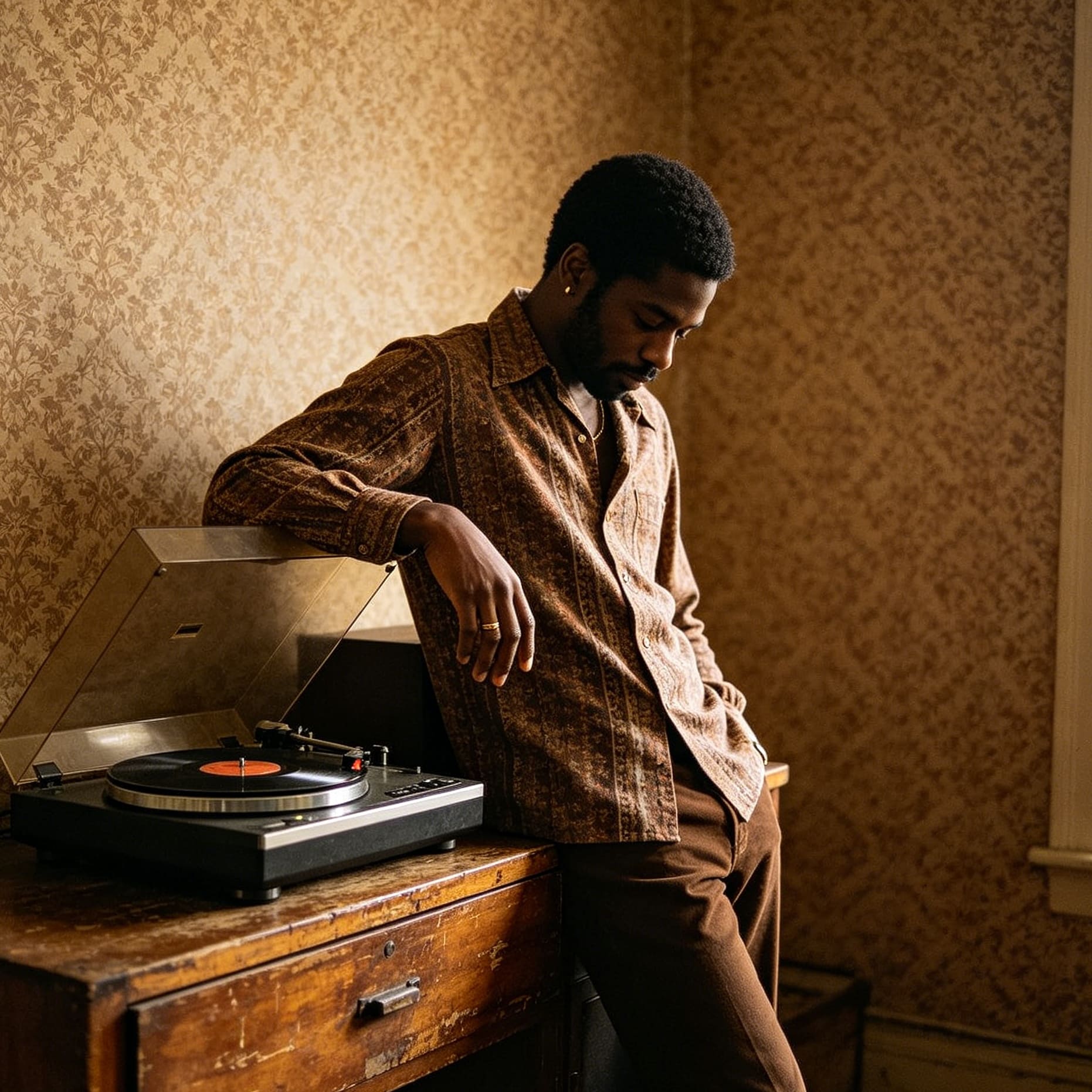
The digital landscape is a revolving door of nostalgia, where forgotten moments from decades ago suddenly become the universal language for modern chaos. Among these, few have demonstrated the staying power and sheer versatility of the Surprise Surprise meme. Characterized by a distinctive 1980s television aesthetic, a high-energy musical sting, and a specific brand of British theatricality, this meme has evolved from a niche television relic into a cornerstone of social media reaction culture. Even as we move further into 2026, the clip remains a go-to for creators looking to punctuate an unexpected, often ironic, revelation.
Understanding why this specific snippet resonates requires looking past the catchy tune. It is a collision of vintage sincerity and modern cynicism, a combination that defines much of today’s internet humor. Whether it is used to signal a wholesome family reunion or a darkly comedic life update, the Surprise Surprise meme serves as a flexible framework for the element of shock.
The television roots and the sonic signature
To understand the meme, one must first recognize the source material. The clip originates from a popular British entertainment show titled Surprise Surprise, which debuted in the mid-1980s. The show was built on the premise of surprising members of the public—often involving long-lost relatives or life-changing gifts. The theme song, performed by the show’s host, was designed to be upbeat, welcoming, and celebratory.
The specific segment that became a viral sensation features the host singing the chorus: "Surprise, surprise!" while looking directly into the camera with an expression of intense, almost theatrical joy. In the context of the original broadcast, this was a moment of high emotion and genuine excitement. However, when stripped of its original 1980s context and placed in the high-speed environment of short-form video platforms, the intensity of the performance takes on a new life. The grainy video quality, the bold fashion of the era, and the sharp, staccato delivery of the lyrics create a "sonic signature" that is instantly recognizable even before the visual is seen.
The transition to viral soundbite
The journey from a 2012 YouTube upload to a global TikTok phenomenon provides a fascinating case study in how memes migrate across platforms. For years, the full-length version of the Surprise Surprise song existed on YouTube as a piece of media ephemera, mostly visited by those seeking nostalgia for 80s television. The shift occurred when the audio was isolated and recontextualized.
Around 2023, creators began using a specific several-second loop of the song to underscore "reveal" videos. The true explosion, however, came with the introduction of green-screen templates. When creators gained the ability to superimpose the singing host onto their own backgrounds, the meme transitioned from a simple reaction clip to an "exploitable." This allowed users to place the high-energy 80s performance in absurd locations—kitchens, offices, or even outer space—creating a jarring contrast between the host's enthusiasm and the creator's specific situation.
The mechanics of irony: Why it works
The core of the Surprise Surprise meme’s success lies in its irony. In contemporary meme culture, there is a recurring theme of using overly positive or sincere media to describe disastrous or awkward situations. This is often referred to as "dark irony."
Common applications of the meme include:
- The Fake-Out: A creator sets up a scenario that seems normal, only for the "Surprise Surprise" clip to interrupt with a shocking or unwanted revelation.
- The Self-Sabotage: Users often apply the meme to their own poor decisions. For example, a caption might read, "Me waking up with a headache," followed by the clip singing "Surprise, surprise!" after a night of clearly poor choices.
- The Theatrical Reveal: Sometimes, the meme is used at face value but amplified by the over-the-top nature of the performance. It turns a minor life update into a grand, stage-managed event.
This versatility ensures that the meme doesn't get pigeonholed. It can be wholesome, it can be mean-spirited, and it can be surreal. The contrast between the bright, 80s production value and the often mundane or messy reality of the user’s caption creates a comedic friction that keeps the audience engaged.
Comparison with other surprise-based memes
The "surprise" category is one of the most crowded in the meme ecosystem. To understand why the Surprise Surprise song persists, it is helpful to compare it to its peers.
Surprised Pikachu
Surprised Pikachu is the gold standard for "shock that isn't actually shock." It is used when an outcome was completely predictable, yet the person involved acts astonished. While Surprise Surprise shares some of this DNA, the latter adds a layer of performance. Pikachu is a static image of a reaction; the Surprise Surprise clip is an active, loud announcement of the surprise itself.
The Dexter "Surprise Motherf***er" Meme
James Doakes’ famous line from the series Dexter serves a different purpose. It is aggressive, sudden, and often used in a confrontational or prank-oriented way. In contrast, the Surprise Surprise meme is melodic and overtly cheerful. Where the Dexter meme is a jump-scare, the Surprise Surprise meme is a musical celebration of the chaos.
The Blinking White Guy
This meme represents a more internal, stunned disbelief. It is quiet and subtle. The Surprise Surprise clip is the exact opposite—it is loud, extroverted, and demands attention. Because it includes audio, it is often more effective for capturing a scroller's attention in a busy social media feed.
The role of nostalgia and the "Britishness" factor
There is an undeniable charm to the specific aesthetic of 1980s British television. The lighting, the makeup, and the camera angles are distinct from American media of the same period. For international audiences, this aesthetic feels "otherworldly" or campy, which adds to the meme's appeal.
Nostalgia acts as a powerful hook. Even for younger Gen Z or Alpha users who never saw the original show, the clip feels like a transmission from a different era—a time of sincere, high-budget variety shows. There is a certain level of "cringe" associated with the earnestness of the 80s, and modern internet culture thrives on repurposing that cringe into something cool or ironic. The meme allows users to laugh at the past while using it to explain the present.
Technical drivers: CapCut and the template economy
We cannot ignore the technical ease with which this meme can be produced. In 2026, the barrier to entry for video editing is non-existent. Platforms like CapCut have popularized the use of "templates" where a user simply uploads their own background or text, and the software automatically syncs it with the viral audio and the green-screened host.
This "template economy" is what keeps memes alive longer than they would have survived in the era of static images. When a sound like "Surprise Surprise" becomes a template, it becomes a tool in a creator's toolkit rather than just a joke they share once. It becomes a standardized way to communicate a specific emotion, much like an emoji.
The evolution of the "Exploitable" format
The Surprise Surprise meme falls into the category of an "exploitable"—a piece of media that is easily modified. In its current form, we see various iterations:
- Deepfakes and AI Filters: Some creators have started using AI to make other celebrities or fictional characters sing the "Surprise Surprise" lyrics, further extending the meme's reach.
- Mashups: The audio is frequently mixed with other popular songs or meme sounds, creating a layered joke that requires a deep knowledge of internet lore to fully appreciate.
- Physical Recreations: Beyond just using the clip, creators often mimic the host’s specific hand gestures and facial expressions, turning the meme into a challenge or a performance piece.
The psychology of the unexpected
Why are we so drawn to memes about being surprised? Psychologically, surprise is one of the most basic human emotions, designed to focus our attention on new or important information. In the context of social media, where the goal is to stop the scroll, the word "surprise" combined with a loud, recognizable sound is a biological trigger for attention.
Furthermore, the meme often validates our shared experiences. When we see a Surprise Surprise meme about a common frustration—like an unexpected bill or a sudden change in plans—we feel a sense of community. The meme takes a stressful moment and turns it into a shared joke, reducing the power of the negative surprise through collective laughter.
Current trends in 2026
As of April 2026, the Surprise Surprise meme has stabilized. It is no longer the "trend of the week," but has instead moved into the "hall of fame" of reaction assets. It is frequently used in professional social media marketing to humanize brands, as well as in personal posts to add a touch of theatricality to daily life. We are seeing a shift toward more minimalist uses of the sound, where only the first two notes are played to signal an impending reveal, relying on the audience's existing knowledge to fill in the rest.
Conclusion: A permanent fixture in the reaction toolkit
The Surprise Surprise meme is a testament to the unpredictable nature of the internet. A clip from a 1980s television show, intended for a specific regional audience, has become a global shorthand for the unexpected. Its success is rooted in the perfect storm of catchy audio, nostalgic visual appeal, and the ease of modern editing tools.
By bridging the gap between the sincere world of the past and the ironic world of the present, the meme offers a unique way for people to express shock, disappointment, or genuine delight. As long as there are unexpected moments in life, and as long as creators have the tools to mock those moments with a bit of 80s flair, the sound of "Surprise, surprise!" will continue to echo through our feeds. It reminds us that no matter how much technology changes, a well-timed, theatrical reveal never goes out of style.