Home
Home
Oh My Darling Clementine Lyrics and the True Story of the Gold Rush Ballad
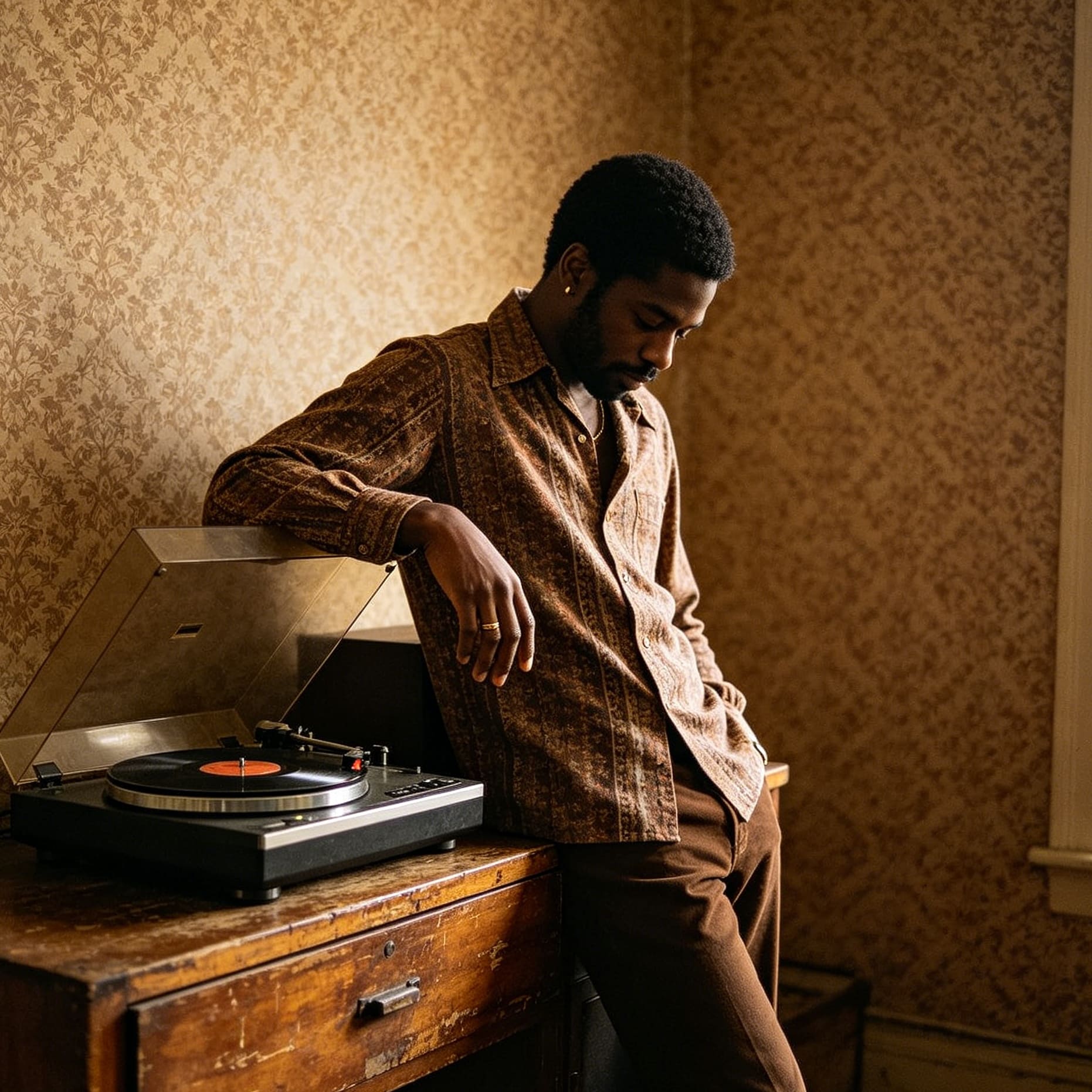
The song "Oh My Darling, Clementine" stands as a peculiar pillar of American folk music. While it is frequently taught to school children as a simple, melodic nursery rhyme, the full lyrics tell a much darker, satirical, and historically rich story. Rooted in the frantic era of the California Gold Rush, the ballad serves as a window into the hardships, humor, and occasional absurdity of life on the American frontier in the mid-19th century.
Understanding the lyrics for "Oh My Darling, Clementine" requires more than just memorizing the chorus; it involves unearthing the layers of irony that have been stripped away over decades of sanitization. By looking at the original verses, one finds a narrative that is both a tragic lament and a biting parody of the sentimental ballads popular during the Victorian era.
The Traditional Lyrics of Oh My Darling, Clementine
To appreciate the depth of this folk classic, it is essential to read the verses in their entirety, including the often-omitted final stanzas that reveal the song's cynical conclusion.
In a cavern, in a canyon, Excavating for a mine, Dwelt a miner, forty-niner, And his daughter, Clementine.
Chorus: Oh my darling, oh my darling, Oh my darling, Clementine! You are lost and gone forever, Dreadful sorry, Clementine.
Light she was and like a fairy, And her shoes were number nine, Herring boxes, without topses, Sandals were for Clementine.
Drove she ducklings to the water, Every morning just at nine, Hit her foot against a splinter, Fell into the foaming brine.
Ruby lips above the water, Blowing bubbles, soft and fine, But, alas, I was no swimmer, So I lost my Clementine.
How I missed her! How I missed her, How I missed my Clementine, But I kissed her little sister, And forgot my Clementine.
Now you young men, by me take warning, Don’t give your ladies too much rye wine, Because like as not in this wet weather, They’ll share the fate of Clementine.
Decoding the Symbolism: The Miner Forty-Niner
The opening verse establishes the setting with surgical precision: "a cavern, in a canyon, excavating for a mine." This refers to the rugged landscape of Northern California during the 1849 Gold Rush. The term "Forty-Niner" is not merely a rhythmic choice; it refers to the approximately 300,000 people who flocked to California in 1849 after gold was discovered at Sutter's Mill.
Life for a forty-niner was rarely as glamorous as modern media portrays. It was a life of grueling physical labor, poor sanitation, and extreme isolation. The mention of the miner dwelling with his daughter highlights the rare presence of families in mining camps, which were predominantly male environments. Clementine, in this context, represents the fragile beauty or the "domestic ideal" trying to survive in a harsh, industrializing wilderness.
The Satire of the "Number Nine" Shoes
One of the most striking aspects of the lyrics for "Oh My Darling, Clementine" is the description of her appearance. The narrator claims she was "light... like a fairy," yet immediately notes that "her shoes were number nine." In the 19th century, a woman wearing a size nine shoe would have been considered remarkably large-footed, directly contradicting the dainty "fairy" image.
Furthermore, the detail about "herring boxes without topses" being used as sandals serves two purposes. First, it illustrates the extreme poverty or lack of resources in mining camps. Second, it is a piece of absurdism. The mental image of a woman clattering toward a river with fish crates strapped to her feet is intentionally ridiculous. This suggests that the song was originally written as a burlesque—a mockery of the overly dramatic and somber "death of a beautiful woman" ballads that were popular in the 1800s (such as those by Edgar Allan Poe or popular songwriters of the time).
The Tragedy in the "Foaming Brine"
The central event of the song is Clementine’s accidental death. She trips on a splinter while driving ducklings to the water and falls into the "foaming brine." The term "brine" usually refers to salt water, but in this context, it likely refers to the churning, mineral-heavy waters of a canyon river.
The narrator’s reaction is where the dark humor peaks: "But, alas, I was no swimmer, so I lost my Clementine." In a serious romantic ballad, the hero would have dived in, perhaps dying alongside her in a final embrace. Here, the narrator simply watches her blow bubbles and laments his lack of swimming skills. This passivity reinforces the idea that the song is a parody of romantic devotion.
The Forgotten Conclusion: The Little Sister
In modern school versions, the song usually ends with the chorus after Clementine drowns. However, the verse where the narrator "kissed her little sister" and "forgot my Clementine" is crucial. It completely undermines the supposed grief expressed in the chorus. It suggests that in the rough-and-tumble world of the gold fields, life was cheap and attachments were fleeting.
This cynicism is what gives the song its lasting power. It captures a specific American sentiment: the necessity of moving on, often with a callous or humorous disregard for past tragedies. The final warning about "rye wine" suggests that intoxication might have played a role in the accident, adding a layer of social commentary about the rampant alcoholism in mining camps.
Historical Origins and Authorship
While "Oh My Darling, Clementine" is often treated as a traditional folk song with no known author, it is most commonly credited to Percy Montrose, who published a version in 1884. Some sources also point to Barker Bradford, who published a similar version titled "Clementine" around the same period.
However, the melody itself may have much older roots. Some musicologists suggest it was derived from a Spanish ballad, likely brought to the California gold fields by Mexican miners. Others point to an 1863 song called "Down by the River Liv'd a Maiden" by H.S. Thompson, which shares similar lyrical themes. The fact that the song evolved through so many iterations—from a possible Spanish melody to a satirical stage song to a campfire standard—is a testament to the fluid nature of American folk tradition.
Musical Structure and Legacy
Musically, the song is composed in a simple 3/4 time signature, similar to a waltz. This rhythmic simplicity makes it incredibly easy to remember and sing in a group setting. The contrast between the upbeat, swaying rhythm and the grim lyrics of drowning and death is a classic example of musical irony.
Throughout the 20th century, the song was revitalized by various artists who recognized its versatility. Bing Crosby recorded a popular version in 1941, bringing a smooth, crooning sensibility to the miner's lament. In contrast, folk legends like Johnny Cash and Pete Seeger emphasized the song's storytelling roots, often including the more obscure verses to preserve the original narrative's bite.
In film, the song gave its name to John Ford's 1946 Western My Darling Clementine. Although the film is a dramatization of the Gunfight at the O.K. Corral and has little to do with the song's plot, the melody is used to evoke a sense of nostalgia for a lost frontier era. More recently, the song played a haunting role in the 2004 film Eternal Sunshine of the Spotless Mind, where the character Clementine (played by Kate Winslet) struggles with the associations of her name and the song's themes of being "lost and gone forever."
Why We Still Sing It
It is rare for a song about a drowning woman and a callous lover to become a beloved children's lullaby. The survival of "Oh My Darling, Clementine" can be attributed to its dual nature. To a child, it is a catchy tune with silly words about "herring boxes." To an adult with an understanding of history, it is a satirical masterpiece that punctures the myth of the noble frontier.
The song persists because it encapsulates the American experience of the 19th century: the pursuit of wealth, the inevitable encounter with tragedy, and the pragmatic, almost brutal, ability to keep going. When we search for the lyrics for "Oh My Darling, Clementine," we aren't just looking for words to a song; we are looking for a piece of the American spirit—one that finds a way to whistle even when the water gets a bit too deep.
As a piece of cultural heritage, the song reminds us that history isn't always found in textbooks. Sometimes, it’s found in the "foaming brine" of an old canyon river, preserved in a melody that refused to be forgotten, even after the gold mines ran dry and the forty-niners faded into legend.
-
Topic: MY DARLING CLEMENTINE - TRO ESSEX Music Grouphttps://www.troessexmusic.com/51/songs/my_darling_clementine
-
Topic: Traditional – Oh My Darling Clementine Lyrics | Genius Lyricshttps://genius.com/Traditional-oh-my-darling-clementine-lyrics?referent_id=4358179
-
Topic: Oh My Darling Clementine - The Nursery Rhymes: letras de canciones, vídeos musicales y conciertoshttps://www.shazam.com/es-es/song/1842820971/oh-my-darling-clementine