Home
Home
Jordan 1 Low Still Dominates: Real Talk on Comfort, Style, and 2026 Drops
The landscape of footwear in 2026 remains heavily influenced by silhouettes that refuse to age out of relevance. At the forefront of this enduring trend is the Jordan 1 Low, a model that has successfully transitioned from a specialized basketball tool in 1984 to a ubiquitous lifestyle icon. While modern performance tech has moved toward carbon plates and reactive foams, the low-top iteration of the original signature shoe continues to hold a significant market share through sheer aesthetic versatility and cultural momentum.
The Evolution of a 1985 Classic in 2026
To understand why the Jordan 1 Low maintains its grip on the market, one must look at its structural evolution. Originally designed by Peter Moore, the 1985 cuts were distinct, featuring eight eye stays and a wider toe cap. In the current 2026 market, consumers generally encounter two primary versions: the "OG" cut and the standard "Remodeled" version.
The standard versions currently found on shelves typically feature seven eye stays and a stitched Jumpman logo on the tongue, with the iconic Wings logo placed lower on the heel. In contrast, the "OG" iterations—which have seen a massive resurgence in the 2025-2026 cycle—adhere more closely to the 1985 blueprint, often utilizing premium leathers and different heel branding. This distinction is crucial for buyers who prioritize historical accuracy over accessible price points.
Material quality in 2026 has become a point of diversification. We see a split between high-volume releases utilizing synthetic and genuine leather combinations and "Special Edition" (SE) pairs that experiment with canvas, denim, and even satin. The durability remains a hallmark of the silhouette; the rubber cupsole construction is inherently robust, surviving daily urban wear far better than many contemporary knit-based sneakers.
The Hard Truth About Comfort and Performance
One must be objective when discussing the underfoot experience of a Jordan 1 Low. It is essential to recognize that the midsole technology is essentially frozen in the mid-80s. The setup consists of a thin layer of basic foam encapsulating a small Nike Air unit in the heel. Compared to the plush, energy-returning foams found in modern running shoes or even newer basketball models, the Jordan 1 Low provides a much firmer, "board-like" feel.
For those spending eight hours or more on their feet, the lack of substantial arch support can be noticeable. Feedback from consistent users suggests that while the shoe is excellent for casual outings, office environments, or short commutes, it may not be the primary choice for extensive walking tours. The "court feel," however, remains unmatched. The low-to-the-ground profile offers a level of stability and ground feedback that many lifestyle enthusiasts prefer over the "wobbly" sensation of high-stack height platforms.
To mitigate the stiffness of the initial wear, many in the community have turned to aftermarket insoles to provide the arch support that the factory foam lacks. It is also worth noting that the leather upper, particularly in the toe box area, requires a break-in period. New pairs may feel rigid, but after 10 to 15 wears, the materials generally soften to accommodate the foot's natural shape.
Breaking Down the 2025-2026 Release Cycle
The past 12 to 18 months have been particularly active for the Jordan 1 Low, with several high-profile drops reshaping the resale and retail landscape.
The OG Resurgence
The "Chicago" OG return in late 2025 was a pivotal moment, re-establishing the classic red, white, and black colorway as the gold standard for the low-top silhouette. Retailing around $140, these pairs utilized a higher grade of leather that resisted the aggressive "plastic-like" creasing often seen on budget-tier releases.
Collaboration Powerhouses
Collaborations continue to drive the hype cycle. The late 2025 release of the Travis Scott x Air Jordan 1 Low in the "Dark Pony" and "Pink Oxford" colorways proved that the "reverse swoosh" aesthetic still has significant traction. Furthermore, the Spring 2026 release of the "Xuan Wu" edition, priced at a premium $250, showcased a push into luxury-tier materials, blending traditional craftsmanship with the classic sport silhouette.
Accessibility and the EasyOn System
A significant shift in 2026 is the wider availability of the Jordan EasyOn system (formerly known as FlyEase). This innovation addresses a long-standing critique of the Jordan 1—the time and effort required to get in and out of the shoe. By integrating a wrap-around zipper and a hook-and-loop strap, Nike has made the Jordan 1 Low accessible to a broader demographic, including those with mobility challenges, without sacrificing the iconic look. These models, such as the black and starfish colorways (DM1206-081), have become staples for those prioritizing convenience.
Pricing and Value Assessment
Navigating the pricing of Jordan 1 Lows in 2026 requires an understanding of the tier system.
- Standard/General Release (GR): Often found between $90 and $115. These are the workhorses of the line, perfect for daily beaters where the leather quality is secondary to the colorway.
- Special Edition (SE) and Craft: Usually priced between $125 and $135. These pairs often feature unique textures like suede, denim (as seen in the "Worn Blue" SE), or mixed textiles.
- OG and Premium Collaborations: These start at $140 and can climb significantly. The value here lies in the leather quality, the specific shape of the heel, and the long-term investment potential.
In the current market, the $75 to $90 price range is mostly occupied by women's specific variants (like the DC0774 series) and youth sizes. For a collector or a serious wearer, the $110 mark is generally where the balance between material durability and cost-effectiveness is found.
Styling the Silhouette in the Modern Era
The Jordan 1 Low’s greatest strength is its ability to blend into various style movements. In 2026, we are seeing three distinct ways the community is wearing this shoe:
- The Refined Minimalist: Pairing neutral tones like the "Light Smoke Grey" or "85 Neutral Grey" with tailored chinos and heavyweight cotton tees. The low profile allows it to act almost like a dress shoe in creative professional settings.
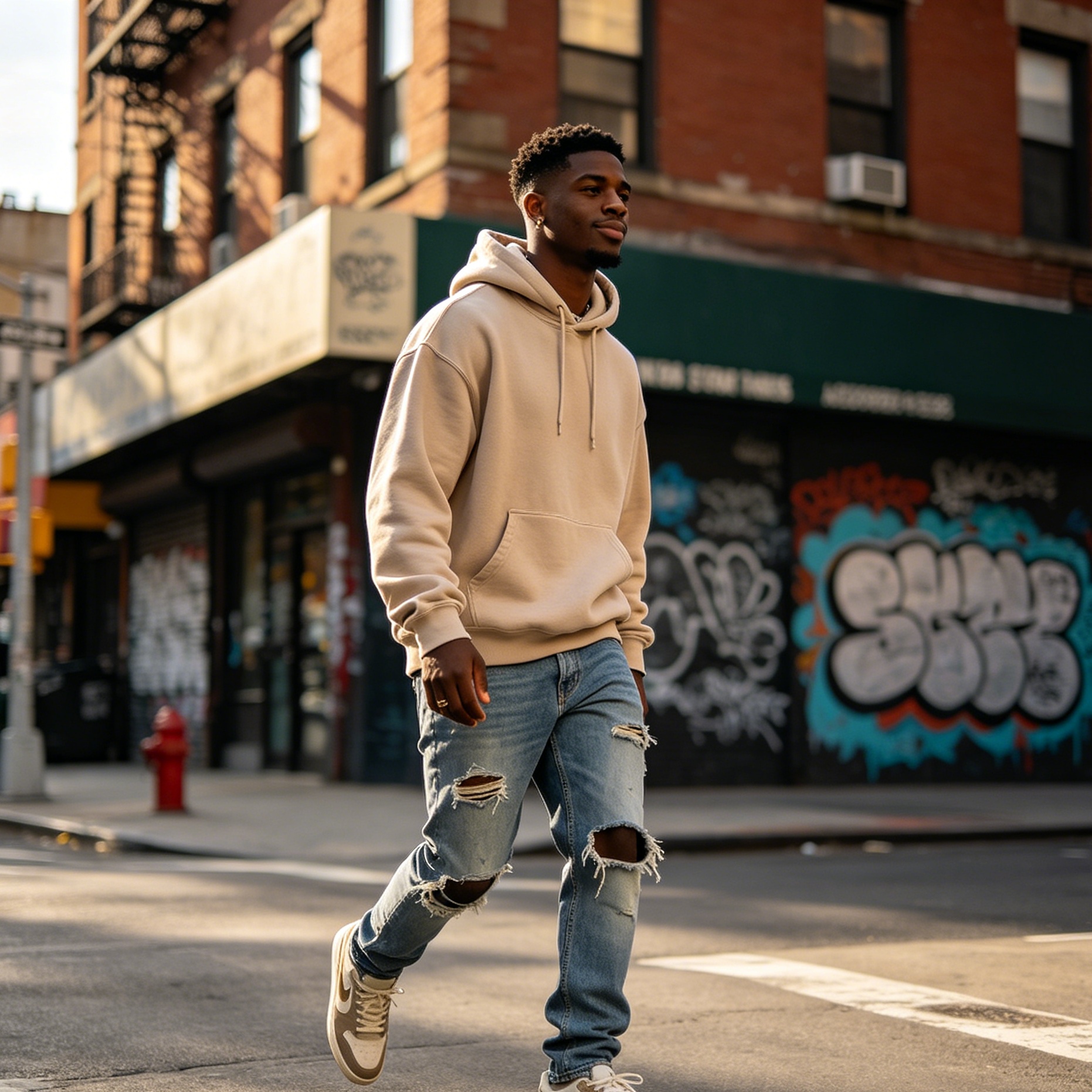
- The Heritage Sport: Utilizing the "Bred Toe" or "Royal Blue" colorways with oversized joggers and vintage-wash hoodies. This leans into the 1980s basketball roots of the shoe.
- The Eclectic Street: Taking advantage of the bold SE colorways, such as the "Bio Hack 2.0" or "Floral Swoosh," to act as the centerpiece of an otherwise monochrome outfit.
A practical tip for maintaining the aesthetic is managing the toe box creases. Because of the flat plane of the leather over the toes, creasing is inevitable. While some see this as "character," others prefer using plastic crease protectors. Given the 2026 focus on sustainable fashion, many users are opting for regular cleaning with mild soap and soft brushes rather than frequent replacement, extending the life of the leather uppers significantly.
Weather and Environment Considerations
While the Jordan 1 Low is a versatile sneaker, it is not a seasonal all-rounder. The leather uppers provide decent protection against light wind and dust, but the perforations in the toe box mean your feet will likely get wet in heavy rain. For warmer climates, the leather can feel somewhat restrictive in terms of breathability.
If you are in a high-temperature environment, looking for pairs that incorporate mesh panels or canvas can significantly improve airflow. Conversely, for winter wear, the thin rubber sole offers minimal insulation from cold pavement, making thick socks a necessity rather than an option.
Final Buying Considerations for 2026
Is the Jordan 1 Low the right choice for your rotation this year? The answer depends on your priorities. If you are looking for a shoe that provides cutting-edge ergonomic support for 15,000 steps a day, you might find the 40-year-old technology lacking. However, if you want a sneaker that is virtually guaranteed to stay in style for the next decade, works with almost any outfit, and holds a respectable portion of its value, the Jordan 1 Low is difficult to beat.
When purchasing, always verify the source, especially with the influx of "B-grade" pairs and high-quality replicas in the secondary market. Focus on the stitching around the midsole and the placement of the Wings logo on the heel—these remain the most common tell-tales of authenticity. In 2026, the Jordan 1 Low isn't just a shoe; it's a piece of design history that you can wear every day.
-
Topic: Jordan Men's Air 1 Low Sneaker Review - Style vs Comfort Analysis $75 - Shoeexpert.nethttps://shoeexpert.net/jordan-air-1-low-sneaker-review.html
-
Topic: Air Jordan 1 Low Release Dates 2025 - Updated in Real Timehttps://www.soleretriever.com/sneaker-release-dates/jordan/air-jordan-1-low?sa=U&usg=AOvVaw2FY2FZirOxYd7ilicojjI7&ved=2ahUKEwjcyYidr9yCAxVlH0QIHe85CRU4FBAWegQIAhAC
-
Topic: Air Jordan 1 Low EasyOn Men's Shoes. Nike.comhttps://www.nike.com/t/air-jordan-1-low-easyon-mens-shoes-D3wW7l