Home
Home
Jacket for Athletes: Technical Performance and Thermal Regulation in 2026
Performance outerwear in 2026 has transitioned from simple protection against the elements into a sophisticated extension of an athlete’s physiological cooling and heating systems. Selecting a jacket for athletes is no longer a matter of choosing a style; it is an exercise in matching material science to metabolic output. As training environments become more volatile, the requirement for gear that can manage moisture, maintain core temperature, and provide unrestricted range of motion has never been higher.
The Evolution of the Athletic Shell
Traditional athletic jackets were often categorized by their ability to repel rain or block wind, usually at the expense of breathability. However, the current landscape of performance wear prioritizes dynamic regulation. An athlete at rest has different thermal needs than an athlete mid-sprint. The modern jacket for athletes utilizes variable-density weaves and "smart" membranes that open or close based on the presence of water vapor and heat. This ensures that the "boil-in-a-bag" feeling common in early synthetic shells is replaced by a consistent internal microclimate.
Core Technical Specifications
When evaluating a high-performance jacket, three primary metrics define its utility for the serious athlete: Breathability (often measured in RET or g/m²/24hr), Waterproofing (hydrostatic head), and Mechanical Stretch.
Breathability and Vapor Transfer
For high-output activities, breathability is the most critical factor. The goal is to move perspiration away from the skin before it condenses into liquid. Jackets with a breathability rating of over 20,000g/m² are generally recommended for intense cardiovascular work. In 2026, we see a rise in electrospun membranes, which consist of millions of tiny fibers that allow air to pass through while remaining essentially waterproof.
Hydrostatic Head and Weather Resistance
Waterproofing is measured by the height of a column of water a fabric can withstand before leaking. For athletes training in heavy rain, a rating of 10,000mm is the baseline, while 20,000mm is preferred for alpine or maritime conditions. However, a jacket for athletes must balance this against the need for ventilation; a completely sealed garment will often lead to internal soaking from sweat, which is just as detrimental to performance as external rain.
Mechanical vs. Elastane Stretch
Mobility is non-negotiable. While elastane (Spandex) provides excellent stretch, it also holds onto moisture and degrades over time. Many top-tier athletic jackets now utilize "mechanical stretch," where the yarn itself is twisted or the fabric is woven in a way that allows elasticity without the use of heavy, water-absorbent fibers. This results in a lighter garment that dries faster and maintains its shape over years of training cycles.
Activity-Specific Designs
Not all athletic pursuits demand the same jacket architecture. The mechanical demands of a marathon runner differ vastly from those of a soccer player warming up on the sidelines.
High-Aerobic Jackets: Running and Cycling
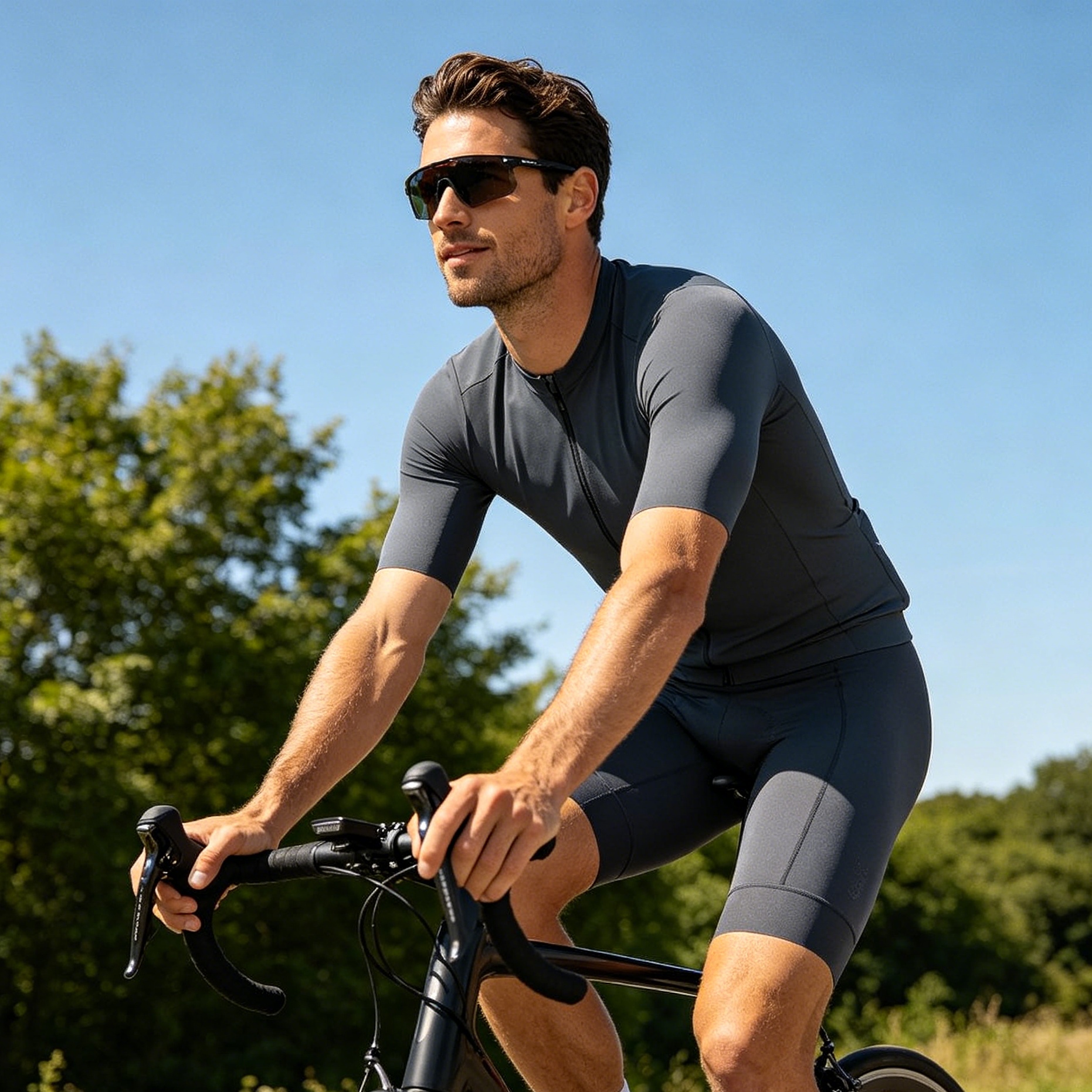
For runners and cyclists, weight and packability are paramount. These jackets often feature a "drop-tail" hem to protect the lower back from road spray and articulated sleeves that mimic the forward-reaching posture of the athlete.
Ventilation is often strategically placed in high-sweat zones: the armpits, the center of the back, and the chest. In 2026, many of these zones are created using laser-perforation techniques that allow heat to escape while maintaining the structural integrity of the fabric. Reflectivity is another critical component, with many designs integrating glass-bead technology directly into the thread for 360-degree visibility during low-light training sessions.
Field and Team Jackets: Football, Soccer, and Training
Sideline jackets serve a different purpose. Their primary goal is to prevent "cold shock" during substitutions or warm-ups. These garments are typically more robust, featuring brushed fleece linings or synthetic insulation.
Team jackets often utilize a "cage jacket" or "quarter-zip" silhouette, allowing for quick removal. The fit is generally more relaxed than a running shell to accommodate base layers and team uniforms. Durability is also a focus here, as these jackets must withstand the friction of equipment bags and the occasional contact on the pitch. Ripstop nylon is a common outer shell material, providing a high strength-to-weight ratio that prevents small snags from turning into catastrophic tears.
Winter and Extreme Cold Training
For athletes training in sub-zero temperatures, the challenge is providing warmth without bulk. Traditional down insulation remains the gold standard for dry cold due to its incredible warmth-to-weight ratio. However, for active athletes, synthetic insulations like Primaloft or bio-based alternatives are often more effective because they retain their loft and insulating properties even when damp from sweat.
Hybrid construction is a major trend in 2026. These jackets feature insulation around the core and major organs, while the sleeves and side panels are made of breathable, uninsulated stretch-woven fabric. This allows the athlete to move their arms freely and dump excess heat while keeping their core warm.
Material Science: The Shift to Bio-Synthetics
The 2026 market for the jacket for athletes is heavily influenced by a transition away from petroleum-based synthetics. Lab-grown spider silk, castor bean-based nylon, and recycled ocean plastics are now mainstream. These materials are not just environmentally conscious; they often offer superior performance characteristics.
Lab-Grown Fibers
Protein-based fibers mimic the resilience of natural silk but are engineered for specific athletic needs. They provide better moisture management than traditional polyester and are naturally antimicrobial, reducing the odor buildup that often plagues synthetic workout gear.
Graphene-Infused Fabrics
Graphene has become a staple in high-end athletic outerwear. By incorporating graphene into the lining of a jacket, manufacturers can create a garment that effectively redistributes heat. When an athlete’s core gets too hot, the graphene pulls that heat toward the cooler extremities, creating a more uniform body temperature. Furthermore, graphene is incredibly durable and adds almost zero weight to the garment.
The Importance of Fit and Ergonomics
A jacket for athletes must be designed with "active fit" geometry. This means the pattern is cut based on the body in motion, not the body at rest.
Articulated Joints
If a jacket pulls at the shoulders when you reach forward or rides up at the waist when you lift your arms, it is not an athletic jacket; it is a lifestyle garment. Articulated elbows and gusseted underarms are essential features. They allow for a full range of motion without the bulk of excess fabric.
Hem and Cuff Systems
Modern athletic jackets use internal gaskets or elasticated bindings instead of heavy Velcro tabs or chunky drawstrings. These streamlined systems keep the elements out while maintaining a low profile, which is especially important for sports like cycling or rowing where loose cords can be a safety hazard.
Sustainability and Longevity in 2026
As consumers and athletes become more aware of the environmental impact of their gear, the "disposable" era of athletic wear has ended. A high-quality jacket for athletes is now viewed as a multi-year investment. This has led to a resurgence in PFC-free (Perfluorocarbon-free) durable water repellent (DWR) coatings.
While early PFC-free treatments were less effective than their chemical-heavy predecessors, the 2026 iterations utilize plant-based waxes and silicon-based polymers that offer comparable performance without the environmental persistence. Athletes should be aware that these newer treatments require more frequent "re-upping" through low-heat drying or specialized wash-in products to maintain their water-beading capabilities.
Choosing the Right Layering System
A jacket is only as good as what is underneath it. The most effective athletes utilize a three-tier system:
- Base Layer: Moisture-wicking (merino wool or synthetic) to keep skin dry.
- Mid-Layer: Insulating (fleece or light puffer) to trap heat.
- The Jacket (Outer Shell): Protection from wind and rain and final vapor release.
For many athletes, the "Softshell" has become the preferred choice for 80% of training conditions. Softshells combine the mid-layer and outer shell into one breathable, water-resistant garment. They lack the total waterproofness of a "Hardshell," but their superior stretch and air permeability make them much more comfortable for high-intensity work.
Maintenance: Protecting the Investment
To ensure a jacket for athletes retains its technical properties, proper care is mandatory. Standard laundry detergents often contain surfactants and fabric softeners that clog the pores of breathable membranes and strip away DWR coatings.
Athletes should use specialized technical washes. It is also a common misconception that heat ruins technical jackets; in reality, a short stint in a tumble dryer on medium heat is often necessary to reactivate the water-repellent molecules on the surface of the fabric. Always check the individual care label, as 2026's bio-synthetic fibers may have specific temperature requirements.
Future Outlook: Smart Sensing and Haptics
Looking ahead, the integration of technology into the fabric itself is the next frontier. We are seeing the first widespread use of haptic feedback built into the sleeves of jackets to help athletes with form and posture. Some jackets now include integrated LED strips for safety that are powered by the kinetic energy of the athlete's movement. While these features are currently found in premium models, they represent the direction the industry is heading—where the jacket for athletes is not just a piece of clothing, but a piece of equipment that provides data and feedback.
Conclusion
Selecting the right jacket for athletes in 2026 requires an understanding of one's own metabolic rate and the specific environmental challenges of the sport. Whether it is a featherweight shell for a rainy trail run or a heavy-duty hybrid parka for sub-zero training, the focus should always be on moisture management and freedom of movement. By prioritizing technical specifications like RET values and mechanical stretch over aesthetic trends, athletes can ensure they stay protected, comfortable, and focused on their performance goals, regardless of what the weather brings.
In an era where every second and every watt counts, the gear you wear should be an asset, not a hindrance. Investing in a jacket that utilizes the latest in material science and ergonomic design is one of the most effective ways to ensure that your training remains consistent year-round. As the boundaries between technology and textile continue to blur, the modern athlete is better equipped than ever to face the elements and push the limits of human performance.
-
Topic: Stylish Men's Outerwear: Find Quality athletic winter coats for Global Buyershttps://www.alibaba.com/showroom/athletic-winter-coats.html
-
Topic: Stylish Men's Outerwear: Find Quality athletic team jackets for Global Buyershttps://www.alibaba.com/showroom/athletic-team-jackets.html
-
Topic: Cool Athletic Jackets | DICK'S Sporting Goodshttps://www.dickssportinggoods.com/o/athletic-wear/cool-athletic-jackets-0zfz01a