Home
Home
How to Master the 'By the Numbers' Approach for 2026 Success

Data no longer sits in a warehouse; it breathes in the palm of your hand. As we navigate the mid-2020s, the phrase "by the numbers" has evolved from a dusty military idiom into a fundamental survival strategy for both individuals and enterprises. Living or working by the numbers isn't about becoming a robot; it’s about leveraging the immense computational clarity available in 2026 to cut through the noise of an over-saturated information environment.
Understanding the core of "by the numbers"
To master any methodology, one must first understand its roots. Historically, "by the numbers" originated in military contexts, specifically during the American Revolutionary War. It described a method of training where every movement of a drill—handling a rifle or a bayonet—was broken down into numbered steps. A sergeant would call out a number, and the troops would execute that specific portion of the maneuver in unison.
In modern linguistics, the phrase carries a dual meaning. On one hand, it represents precision, order, and a systematic approach to complex tasks. On the other, it can imply a lack of creativity—doing something mechanically or "by the book" without inspiration. However, in the current landscape of 2026, the negative connotation of being "mechanical" is being replaced by the necessity of being "algorithmic." In a world where AI agents handle the bulk of our creative first drafts, the human role has shifted toward the systematic oversight of these processes—essentially, managing the world by the numbers.
The quantified self in 2026
Personal development has moved far beyond simple step-counting. The "by the numbers" lifestyle now involves a sophisticated integration of biometric data and cognitive performance metrics. Most professionals today utilize sub-dermal or high-precision wearable sensors that track everything from interstitial glucose levels to real-time cortisol fluctuations.
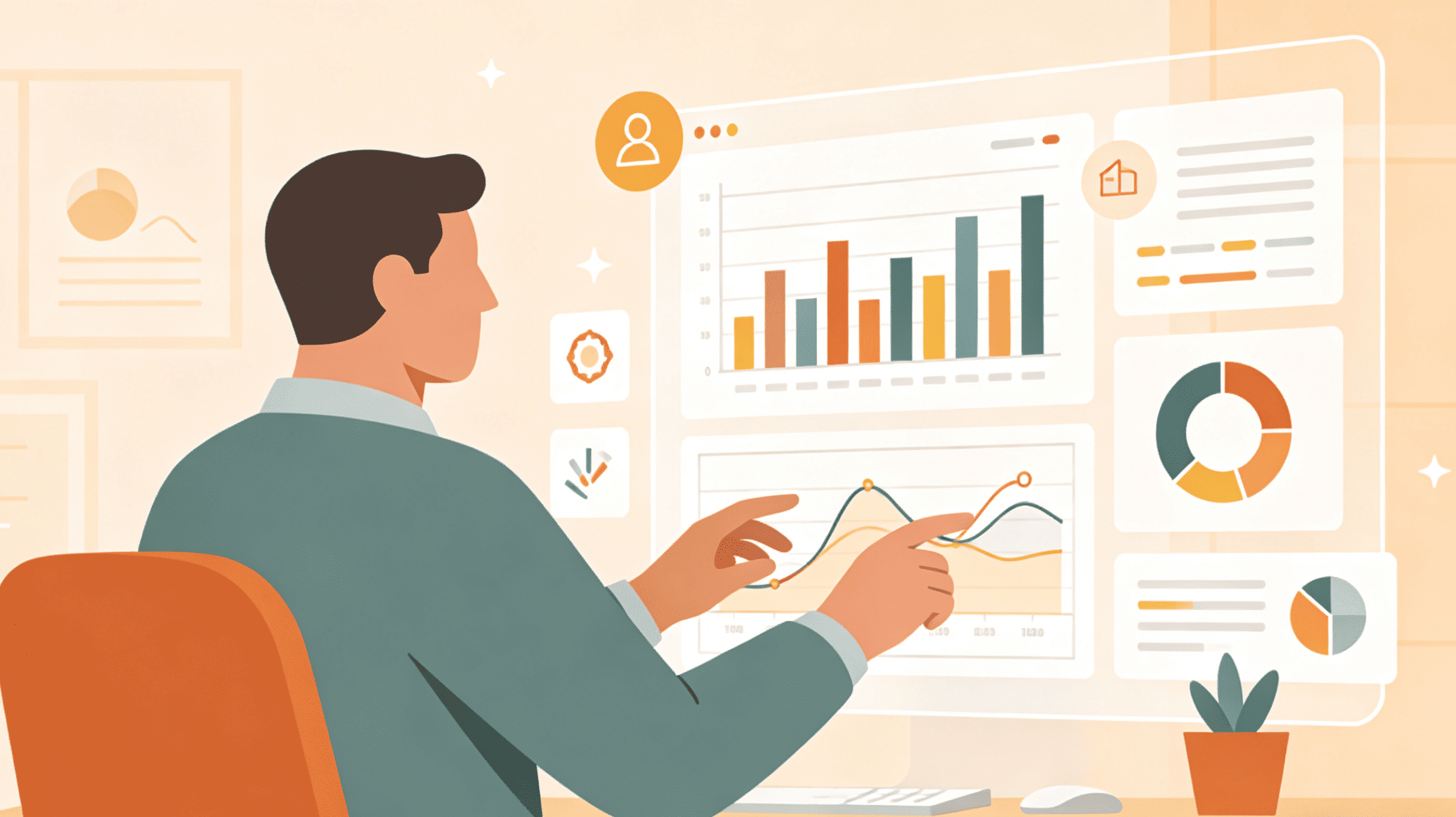
When you approach your health by the numbers in 2026, you aren't guessing why you feel fatigued at 2:00 PM. Your dashboard indicates a specific drop in hydration coupled with a circadian rhythm misalignment. The systematic approach allows for micro-adjustments that were impossible a decade ago. We are seeing a shift where "intuition" about one's health is being validated or corrected by continuous data streams. This isn't about obsessing over every digit; it's about identifying the specific metrics that correlate with your peak performance and ignoring the rest.
Business strategy: Precision over intuition
In the corporate sector, the "by the numbers" philosophy has become the only way to maintain a competitive edge. The era of the "visionary leader" who makes decisions based purely on a "gut feeling" has largely ended. Today, strategic planning is an exercise in predictive modeling.
The shift to real-time KPIs
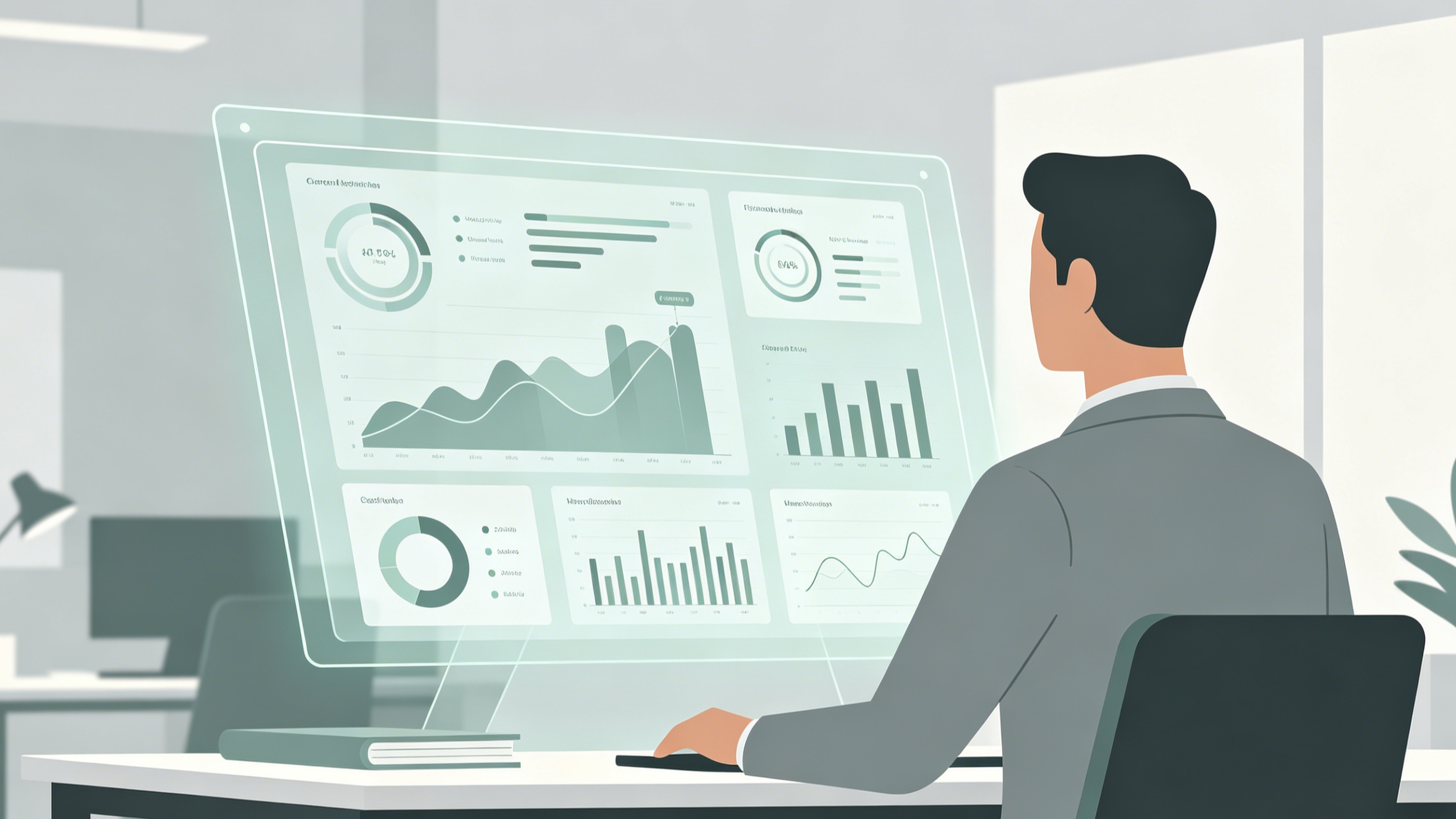
Key Performance Indicators (KPIs) used to be lagging indicators—numbers that told you what happened last month. In 2026, business by the numbers means utilizing leading indicators generated by edge computing and real-time consumer sentiment analysis. If a supply chain disruption occurs in Southeast Asia, the numbers on a logistics manager's screen reflect the impact within seconds, allowing for an automated, systematic rerouting of resources.
Executing a business plan by the numbers ensures that every department is synchronized. When the marketing team sees a specific conversion rate dip, the product team sees the corresponding feedback loop in the user interface metrics. This synchronized sequence of movements is the modern equivalent of the 18th-century infantry drill—orderly, predictable, and highly effective.
The role of synthetic data
One of the most significant developments this year is the widespread use of synthetic data to fill the gaps in our numbers. When real-world data is too scarce or sensitive to use, organizations generate "by the numbers" simulations to test stress scenarios. This allows for a methodical testing of business theories in a safe, digital environment before a single dollar is spent in the physical market.
The psychology of numerical trust
Why do we find comfort in doing things by the numbers? Psychologically, humans are prone to cognitive biases—the halo effect, confirmation bias, and the sunk cost fallacy, to name a few. Numbers, while they can be manipulated, offer a level of objective friction against our subjective whims.
When a project is managed by the numbers, it creates a shared language for the team. It is much harder to argue with a 15% decline in user retention than it is to argue with a vague feeling that "the vibe is off." By rooting discussions in quantified reality, organizations reduce internal friction and emotional exhaustion. However, this requires a high level of data literacy across the entire workforce. Understanding what the numbers actually mean—and where they might be misleading—is the most critical skill of the current era.
Avoiding the "paint by numbers" trap
While a systematic approach is beneficial, there is a legitimate risk of falling into the "paint by numbers" trap. This is where the process becomes more important than the outcome. In creative industries, such as software design or content architecture, relying too heavily on historical data can lead to a feedback loop of mediocrity.
If you only produce what the numbers say performed well in the past, you lose the ability to innovate. The most successful entities in 2026 use a "90/10" rule: 90% of operations are conducted strictly by the numbers to ensure efficiency and stability, while 10% are reserved for "black box" experimentation where the numbers are intentionally ignored. This prevents the stagnation that occurs when a system becomes too rigid or mechanical.
Distinguishing between noise and signal
In an age where we can measure everything, the greatest danger is measuring nothing of importance. Living by the numbers requires the wisdom to distinguish between "noise" (meaningless fluctuations) and "signal" (data that demands action). High-performers in 2026 are not those who track the most data, but those who have identified the three to five "north star" metrics that truly govern their success.
Implementing a by the numbers framework
If you are looking to systematize your operations or personal life, consider this four-step framework that aligns with current 2026 best practices:
- Metric Identification: Define exactly what success looks like in numerical terms. If it cannot be measured, it cannot be managed systematically. This might be your biological age (via telomere testing), your net promoter score, or your deep-work hours.
- Automated Capture: Manual data entry is a relic of the past. Ensure your numbers are captured automatically through integrated software ecosystems. The less friction there is in collecting the data, the more likely you are to use it.
- Algorithmic Review: Use AI-driven analytics to identify patterns. Human brains are excellent at seeing patterns where none exist; modern analytics are better at identifying statistically significant correlations.
- Systematic Iteration: Once the numbers suggest a change is needed, execute that change "by the numbers." Follow a predetermined protocol for pivoting or scaling. This removes the emotional hesitation that often kills momentum.
The ethics of a quantified society
As we push further into this year, we must also address the ethical implications of a life lived by the numbers. With the rise of social credit systems and algorithmic hiring, the numbers assigned to an individual can have life-altering consequences.
There is a growing movement toward "Data Dignity," which argues that individuals should have total sovereignty over the numbers that define them. While a company may run its operations by the numbers, it must remember that the "numbers" representing employees and customers are proxies for human beings. Maintaining the human element within a numerical system is the great balancing act of our time.
Conclusion: The harmony of logic and life
Mastering the "by the numbers" approach in 2026 is about finding the harmony between rigid logic and fluid reality. It is about using the precision of the sequence to free up the mental energy required for high-level creativity. When your logistics, your health, and your basic finances are running by the numbers, you are no longer a slave to the chaos of the mundane.
Whether you are analyzing the latest market volatility or optimizing your personal sleep architecture, the numbers are your most reliable allies. They provide the map, but you still provide the destination. By embracing a methodical, systematic, and data-informed existence, you position yourself to thrive in an era where clarity is the ultimate currency. Don't just guess your way through the year; live it, measure it, and master it—one number at a time.
-
Topic: BY THE NUMBERS Definition & Meaning | Dictionary.comhttps://www.dictionary.com/browse/by-the-numbers
-
Topic: by the numbers - Wiktionary, the free dictionaryhttps://en.m.wiktionary.org/wiki/by_the_numbers
-
Topic: What Does It Mean When Someone Says by the Numbers – Quip Silverhttps://quipsilver.com/blogs/sayings/what-does-it-mean-when-someone-says-by-the-numbers