Home
Home
Deion Sanders Health Status: 16 Surgeries and the Reality of His 2026 Coaching Comeback
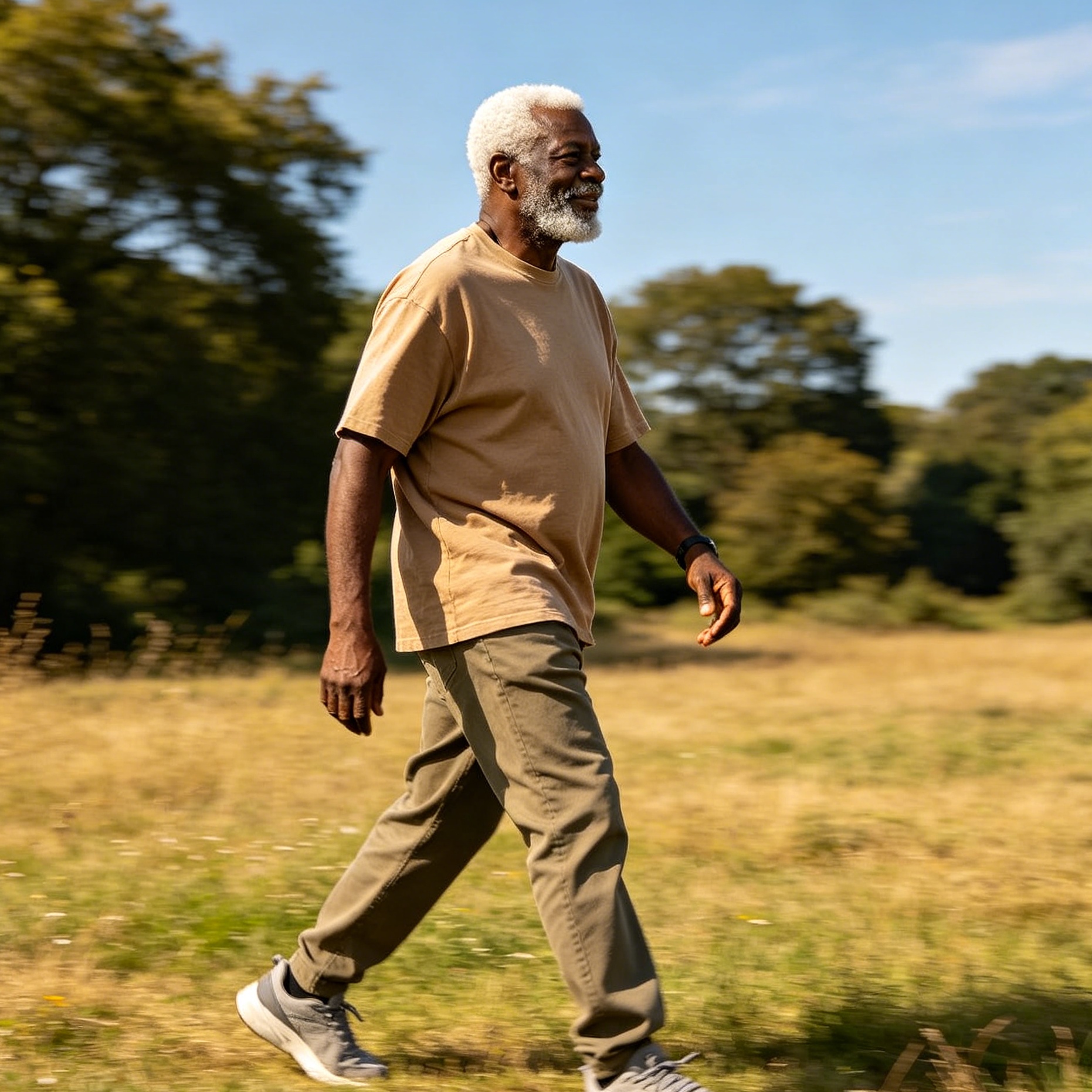
Deion Sanders remains a central figure in collegiate sports, but as of April 2026, the focus has increasingly shifted from his recruiting wins to his physical resilience. Following the conclusion of the 2026 Colorado Black and Gold spring game, Sanders confirmed he underwent yet another medical procedure to address persistent blood clot issues in his legs. This latest intervention marks at least 16 surgeries since 2021, a staggering number for a head coach maintaining a high-profile career in the Big 12.
The medical history of the man known as "Coach Prime" has evolved from a series of foot surgeries into a complex battle involving chronic vascular disease and a recovery from bladder cancer. Understanding his current health status requires looking at the multi-layered challenges he faces daily while managing the Buffaloes' football program.
The April 2026 Update: Managing Chronic Blood Clots
In early April 2026, Sanders underwent what his medical team described as an aspiration thrombectomy of the left popliteal and tibial arteries. This procedure was necessitated by resurfacing pain and a lack of proper blood flow to his lower extremities—a condition that has plagued him for over five years. The surgery was designed to "clean out" the arteries, removing accumulated clots that threatened to impede his mobility during the upcoming 2026 season.
Unlike his previous extended hospital stays, the 2026 procedure allowed for a relatively quick return to the field. Sanders was observed during the spring game moving with a visible but managed gait, expressing optimism about his ability to be more present this offseason compared to the previous two years. However, the recurring nature of these clots highlights a chronic vascular condition that requires constant surveillance by the specialists at UCHealth.
The 2025 Bladder Cancer Battle and Reconstruction
Perhaps the most significant health milestone in Sanders' recent history was his 2025 battle with bladder cancer. For much of the spring and early summer of 2025, Sanders was absent from public view, leading to intense speculation. In July 2025, he revealed that he had been diagnosed with a high-grade, non-muscle invasive bladder cancer.
The treatment was aggressive. Sanders underwent a radical cystectomy—the removal of the bladder—followed by a complex reconstructive surgery. Surgeons at the University of Colorado Anschutz Medical Campus used a portion of his small intestine to create a new internal reservoir for urine. Dr. Janet Kukreja, the lead urologic oncologist on his team, confirmed shortly after the surgery that Sanders was considered cancer-free, though the long-term management of a urostomy remains a significant lifestyle adjustment.
This surgery significantly impacted Sanders' physical appearance and energy levels in late 2025. He reported a weight loss of approximately 25 pounds during the recovery process. To maintain his coaching duties during games, Sanders even noted the logistical necessity of having a portable restroom nearby on the sidelines, illustrating the practical realities of his post-cancer life.
A Five-Year Timeline of Vascular Challenges
The root of Sanders' most visible health issues dates back to September 2021, during his tenure at Jackson State. What began as a surgery for a bunion and hammertoe spiraled into a life-threatening crisis involving blood clots.
- October 2021: Sanders spent 23 days in the hospital after developing serious blood clots in his legs. The lack of circulation led to the amputation of two toes on his left foot—the big toe and the second toe. He also underwent multiple procedures for compartment syndrome, where the pressure in his muscles reached dangerous levels, requiring surgeons to remove sections of his calf to save the leg.
- June/July 2023: After moving to Colorado, Sanders underwent two major surgeries to remove clots from his left and right legs. At one point, doctors warned that he was at risk of losing his entire left foot if the blood flow was not restored. These procedures were critical in allowing him to walk onto the field for his inaugural season in Boulder.
- October 2025: Mid-way through the 2025 season, Sanders underwent his 16th procedure. Despite the pain, he famously missed no practice time, returning to the sidelines just days after the surgery to lead his team against Iowa State.
The Genetic Factor and Long-term Prognosis
Sanders has been transparent about the hereditary nature of his vascular issues. In various public discussions, he has mentioned that blood clots have affected several members of his family, including an uncle who passed away due to similar complications. This genetic predisposition means that even with successful surgeries, the risk of new clots forming remains a permanent part of his medical profile.
His medical team at UCHealth and the University of Colorado has implemented a rigorous monitoring system. This includes regular scans and the use of blood-thinning medications, though the latter must be carefully balanced with the need for surgical interventions. The goal of the 2026 treatments has been to transition from emergency "rescue" surgeries to a more sustainable maintenance phase.
Adaptive Coaching: The Physical Reality of Coach Prime
The health challenges have forced a transformation in how Sanders executes his role as a head coach. The days of him running alongside players during drills are largely in the past. Instead, he utilizes a motorized scooter or golf cart to navigate the practice facilities. During games, he is frequently seen leaning on staff members or using a chair during timeouts to alleviate the throbbing pain caused by reduced circulation.
Despite these limitations, Sanders has remained adamant that retirement is not on the horizon. His focus for the 2026 season involves managing his energy levels and delegating more of the physical on-field demonstrations to his revamped coaching staff, including new coordinators Brennan Marion and Chris Marve.
Conclusion: Resilience Amidst Chronic Illness
As of April 2026, Deion Sanders' health is characterized by a state of managed stability. He is a cancer survivor who continues to battle a chronic and potentially dangerous vascular condition. While the 16 surgeries have taken a clear physical toll, his return to the 2026 spring game suggests a commitment to his role at Colorado that defies standard medical expectations. For fans and observers, the "Coach Prime" era is now as much a story of medical perseverance as it is about football, as he continues to navigate the complexities of his health while leading a major collegiate program.
-
Topic: Deion Sanders health issues: What we know about Colorado coachhttps://amp.usatoday.com/story/sports/ncaaf/big12/2025/07/28/deion-sanders-health-timeline-surgeries-colorado-football/85406697007/
-
Topic: Deion Sanders Shows Incredible Humor During 16th Surgery in 3 Yearshttps://www.si.com/college/colorado/football/deion-sanders-incredible-humor-16th-surgery-3-years-blood-clots-shedeur-cancer-coach-prime
-
Topic: Deion Sanders Reveals He Was Treated for Bladder Cancerhttps://people.com/deion-sanders-reveals-he-had-bladder-cancer-11777759